By Phillip Pierce
The Central Subway is a transformational transportation project that will extend the T Third underground to Chinatown through some of the busiest and densest parts of our city. While this mega-project is nearing completion, we are unfortunately delayed a few months due to COVID-19 and other complexities.
Before the pandemic, we anticipated that construction would be finished by the end of next month, with customers riding trains at the start of revenue service a year later. Our current projections put the completion of construction this spring and the start of service in the following spring of 2022.
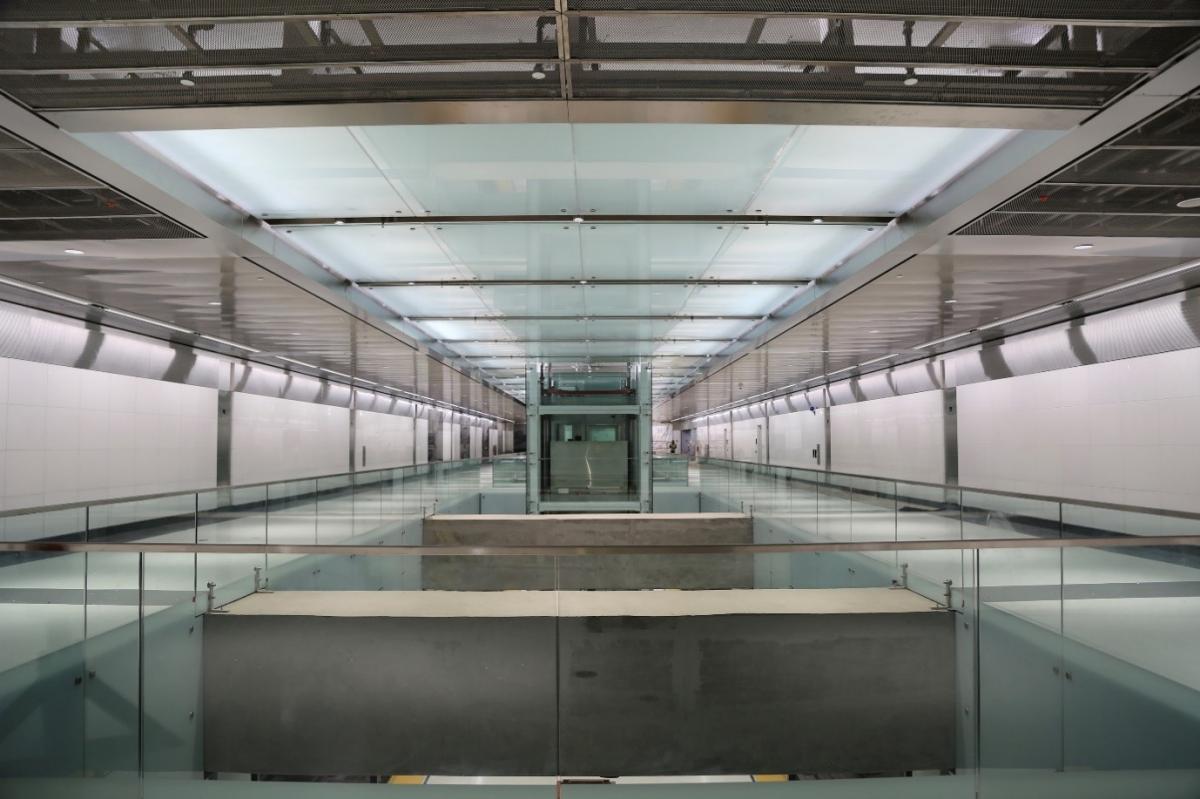
View of the sleek concourse at the Yerba Buena/Moscone Station.
The main reasons for this delay:
-
Moving to remote work and instituting necessary safety measures and procedures during COVID-19
-
Quarantining multiple contractor crews when, despite safety measures, some of the team tested positive for COVID-19
-
Difficulties and delays in getting materials from suppliers during COVID-19
-
Ongoing design changes throughout the project due to the differing site conditions discovered deep underground
These delays will likely have impacts on the overall project budget, and we are working closely with our construction contractors to get the project completed as safely and prudently as possible.
Highlights and Making Progress
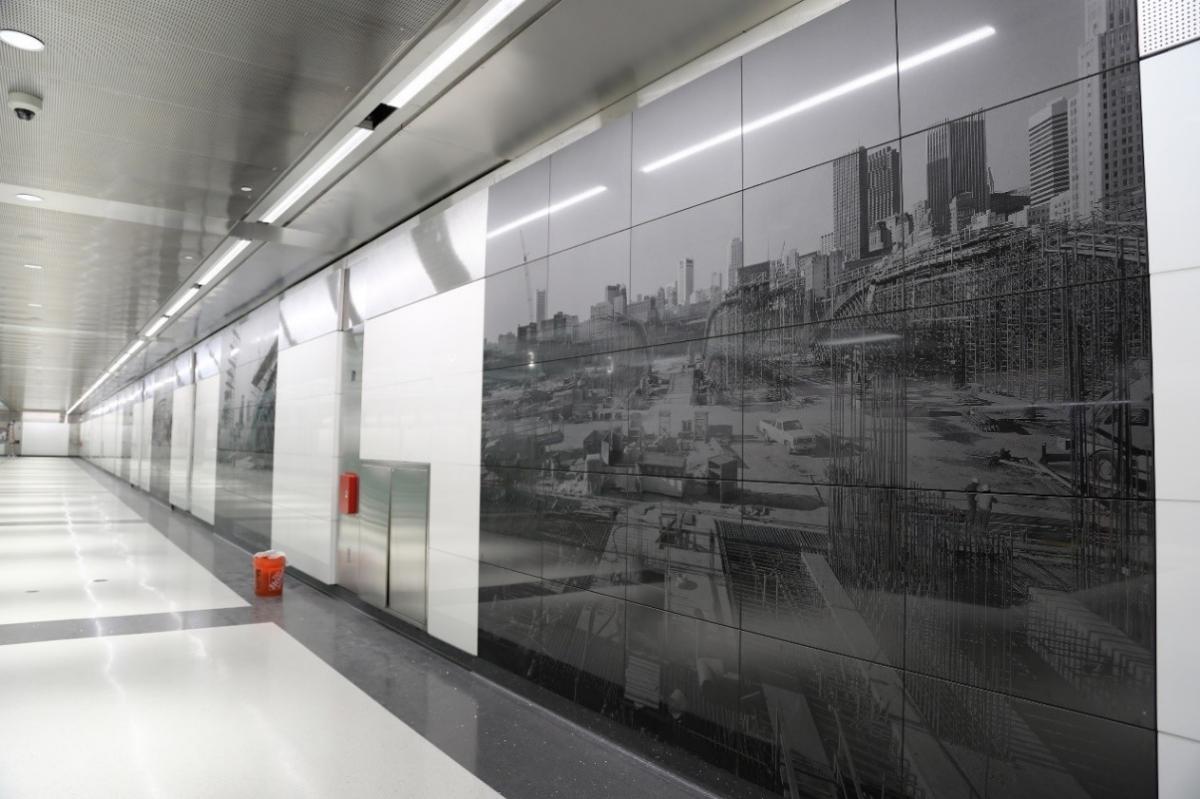
Granite etchings of photographs by artist Catherine Wagner installed at Yerba Buena/Moscone Station
Most importantly for our neighbors, the most disruptive construction is far behind us. The streets and sidewalks along Stockton Street in Union Square and Chinatown are reopened and most work is now deep underground. The last remaining closed street – one block of Washington Street in Chinatown - will be reopened around the end of the year.
The vast majority of the project is now completed. The tunnels and tracks are done with crews now working on the final finishes, installing art and systems like automatic train control cabling, traction power and communications.
We even added a ceremonial “Golden Spike” on 4th Street joining the new Central Subway railwith the existing T Third rail line. A golden spike was first used to celebrate when the rails from the east and west come together on the First Transcontinental Railroad – a tradition that many projects follow to this day.
The project is a finalist for two International Tunneling Association Awards. The Chinatown–Rose Pak Station is a "Project of the Year” contender. The Union Square/Market Street Station’s innovative design for the battered drilled shafts support system are also nominated.
Crews have installed some of the public art – including a kinetic sculpture at 4th and Brannon station, granite etchings inside Yerba Buena/Moscone (photo above) and a light installation at Union Square/Market Street.
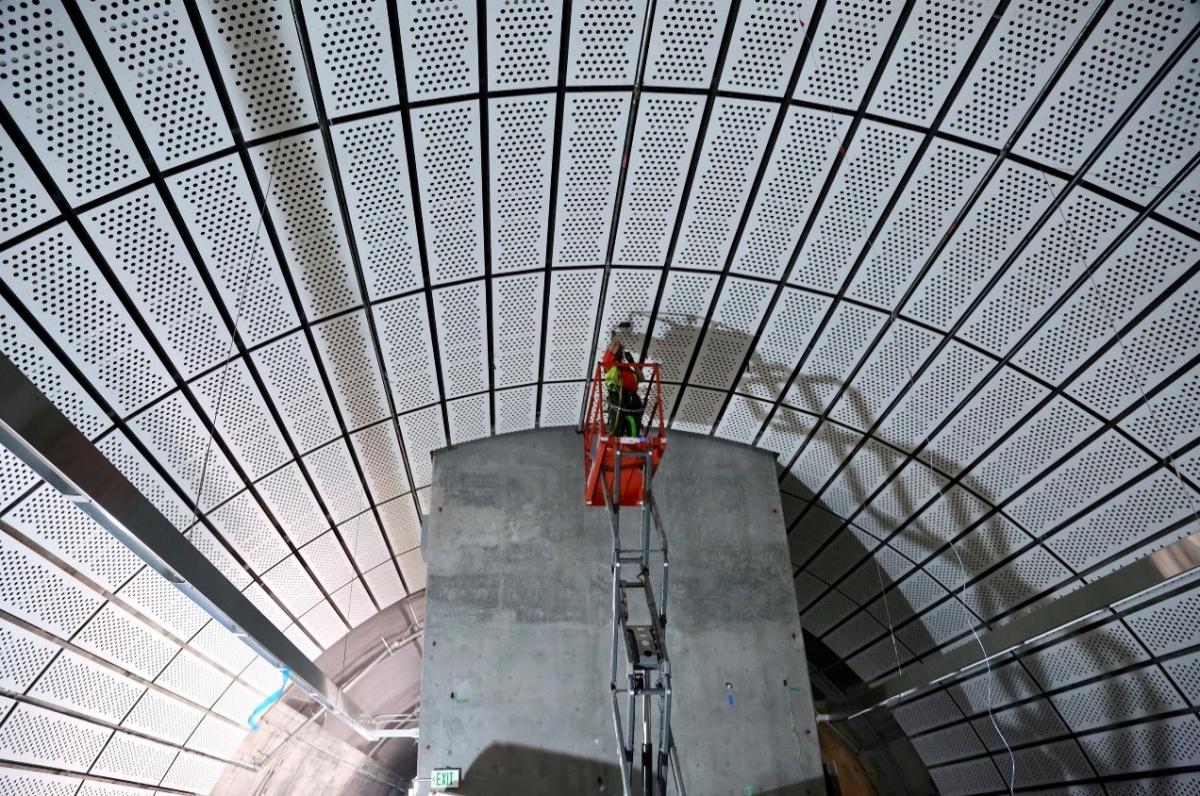
Some of the final decorative panels being installed at the platform level in Chinatown–Rose Pak Station
Central Subway Facts
Once in operation, the Central Subway will greatly reduce travel times and increase capacity along the congested Stockton Street and 4th Street corridor while enhancing connections to BART, Muni Metro, Chase Center, Oracle Park and Caltrain.
The Central Subway route starts across from Caltrain at King Street, runs along 4th Street on surface, transitions into underground tunnels with a portal under the I-80 freeway, the tunnel crosses under the BART and Muni Metro tunnels beneath Market Street, and continues under Stockton Street to Washington Street. With an above ground stop in SoMa at 4th and Brannan, and subway stations at Yerba Buena/Moscone Center, Union Square/Market, and Chinatown – Rose Pak, the Central Subway will vastly improve transit access for the residents in areas of the city, such as Chinatown, that have limited transportation options.
By extending the T Third line, the Central Subway will not only make new connections, but will also increase overall service in Visitacion Valley, the Bayview, and Dogpatch neighborhoods.
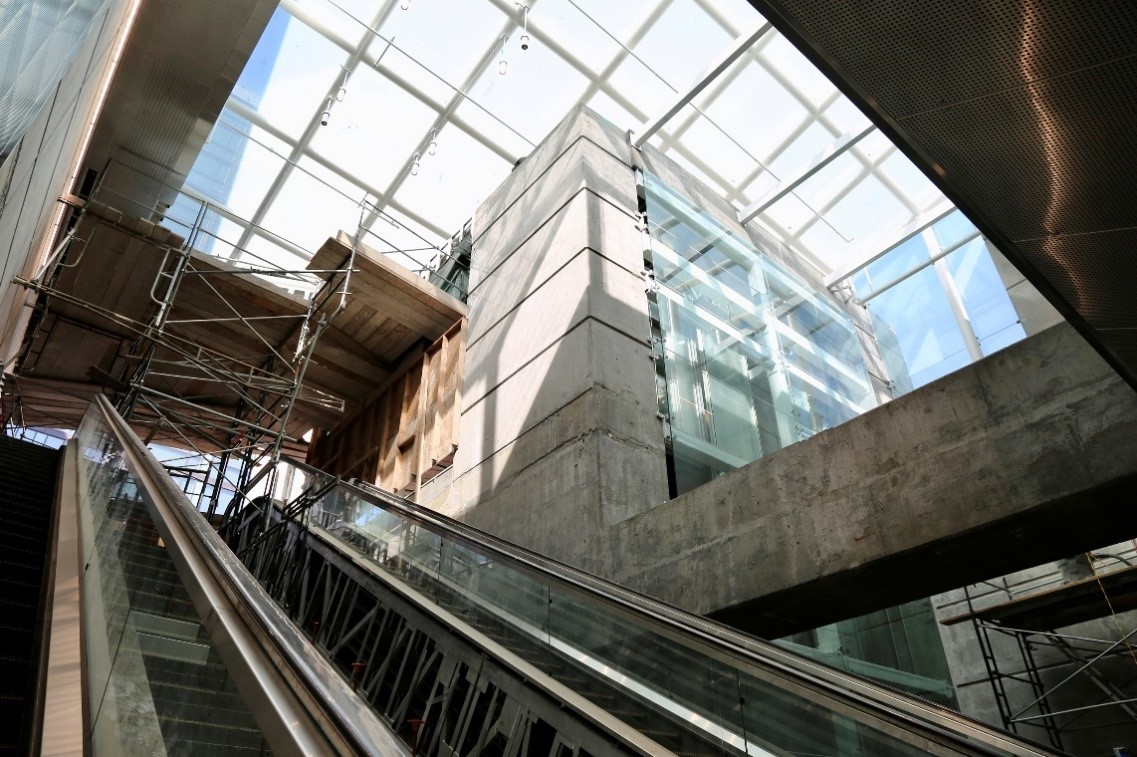
Lots of natural light and exposed concrete from the skylights for the entrance underground at Yerba Buena/Moscone Station.
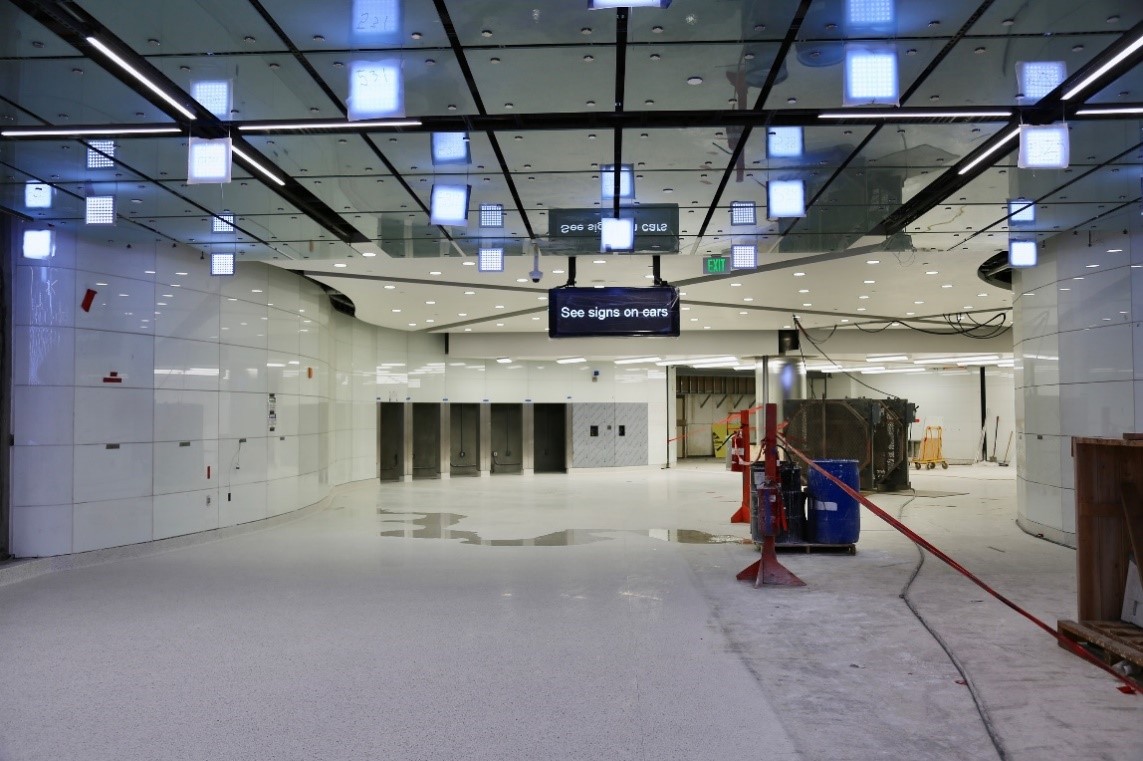
Floors, ceiling panels, finishes and color-changing LED light art installation by Erwin Redl
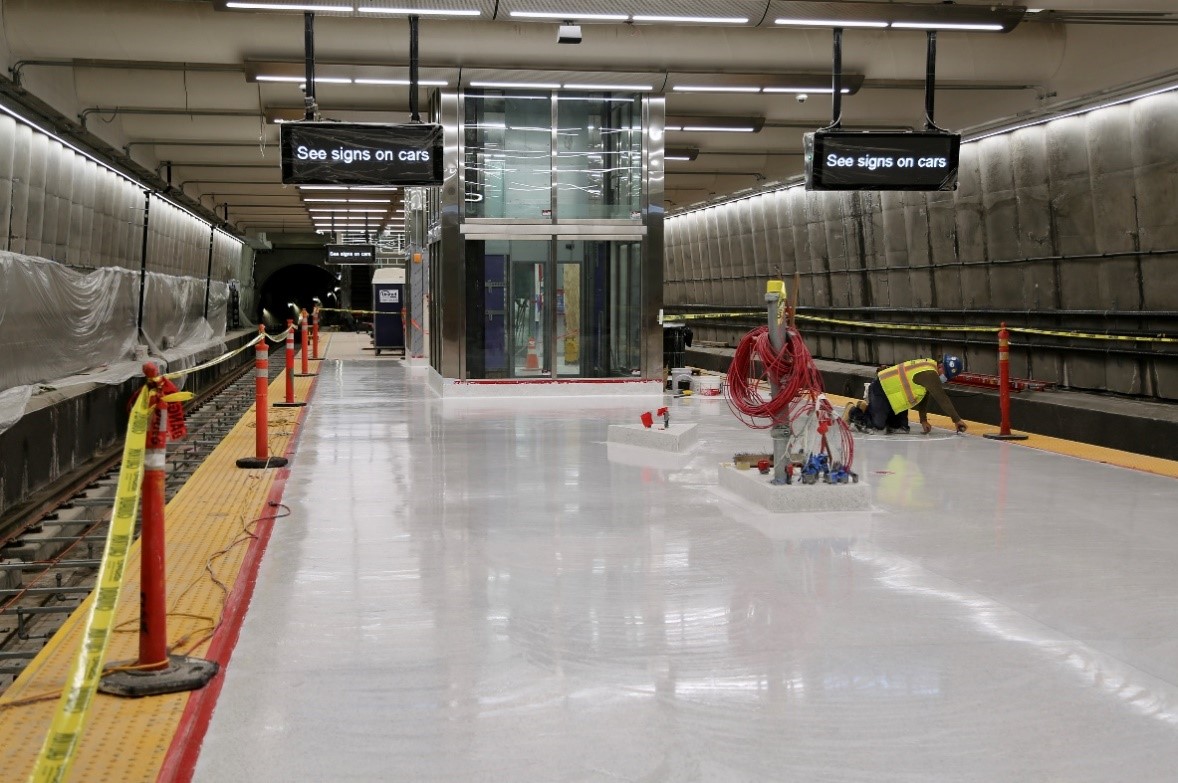
Platform level with finished floors and transit information signs up at Union Square/Market Street
Published November 13, 2020 at 06:01AM
https://ift.tt/32G7Mq2
Nhận xét
Đăng nhận xét